

Advantageous Spinners Uganda Restricted is investing a further USD 5 million in equipment at its Kampala textile mill, with a brand new weaving operation supposed to broaden its product vary and assist growth into African and abroad markets.
The funding provides a concrete instance of how a producer can join domestically grown cotton with extra levels of business manufacturing. Its business take a look at will probably be whether or not extra capability turns into sustained orders, greater exports and better demand for Ugandan cotton.
In written responses to AfricaBusiness.com on 28 September 2026, chief government Sav Bedi stated a lot of the new gear had been put in and commissioned and was present process pre-production trials. Commissioning of the weaving plant was scheduled to start in October, with full manufacturing focused by the tip of 2026.
The corporate expects the programme to extend output by 30–40% over the following two to 3 years and create 150–200 direct jobs. These are firm targets slightly than accomplished outcomes.
A brand new weaving operation
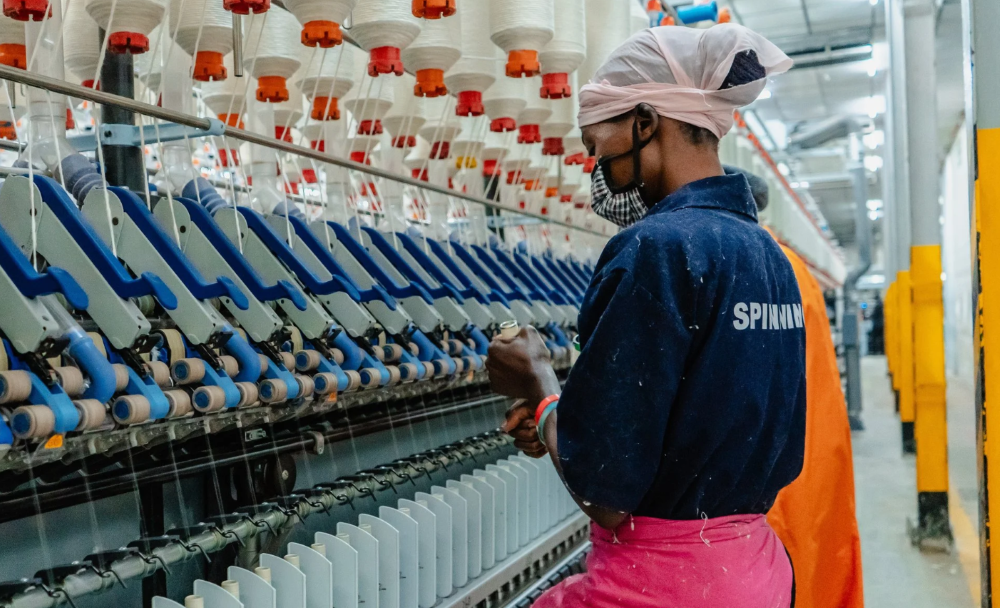
The equipment programme spans spinning, knitting, dyeing and ending, sewing-thread manufacturing and weaving. Bedi recognized Saurer ring frames, a Rieter Autoconer, Picanol looms and Prashant warping gear among the many purchases. Dyeing and ending additions embody Fong’s machines, Bianco gear and a Brückner stenter, used to regulate material width and ending.
Weaving is the principle new functionality recognized within the growth. Advantageous Spinners expects it so as to add roughly 100,000 metres of woven material capability a month, opening alternatives past its established knitted materials and clothes.
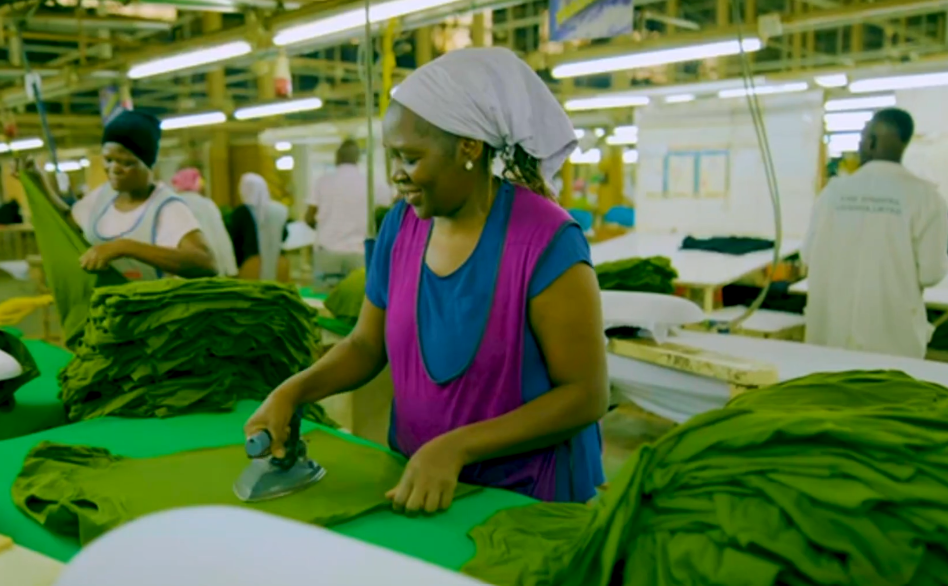
Bedi put current garment capability at roughly 500,000 items a month and stated the funding might add 150,000–200,000 items. Capability describes what the mill can produce; the realised improve will rely on orders, gear efficiency and the way manufacturing is scheduled.
The corporate sees a selected alternative in supplying material to garment producers in Kenya’s export processing zones. For these consumers, a regional material provider might present one other sourcing choice alongside imported materials. Industrial uptake will rely on specs, worth, consistency and supply.
Connecting cotton with industrial demand
Advantageous Spinners says all of the cotton lint it spins is Ugandan. Bedi reported annual purchases of roughly 7,000–10,000 bales and round 15,000 straight contracted smallholder farmers, principally in Kasese and northern Uganda. The corporate additionally buys lint from two or three ginneries and works with native packaging, transport and upkeep suppliers.
In a clarification equipped on 5 October, the corporate stated its growth goal was to purchase roughly 2,000 extra bales yearly. That is a rise above current consumption, slightly than a complete buying goal of two,000 bales.
Processing cotton by means of yarn, material and clothes creates demand for extra actions than promoting lint alone. The hyperlink to farmers nonetheless depends upon dependable procurement and manufacturing: put in equipment by itself doesn’t set up greater farm incomes or assure extra cotton purchases.
Bedi recognized the motivation to export uncooked lint as a substitute of processing it domestically as one constraint on the trade. He additionally cited electrical energy reliability, the price and period of finance, inland transport prices and technical abilities.
Abilities and export markets
The mill employed roughly 1,600 individuals at Bugolobi, Kampala, in response to Bedi’s September responses. The deliberate extra jobs could be on the identical website. Coaching is especially essential for loom technicians, warping and sizing operators, and weaving mechanics as the brand new operation develops.
Bedi stated native operators had been being skilled on the job below skilled technicians and equipment suppliers’ commissioning engineers. The sensible problem is to construct the abilities wanted to take care of gear and ship constant manufacturing after set up assist ends.
Advantageous Spinners reported supplying Germany, Denmark, Spain, Gabon, South Sudan, Rwanda and Kenya, alongside Uganda. Its quick African targets are the Democratic Republic of the Congo, Zambia and Ethiopia. It additionally goals to enter Japan and broaden its European enterprise.
The corporate put its gross sales combine at roughly 40% Uganda, 30% different African markets and 30% outdoors Africa, measured by worth slightly than bodily output. Over two to 3 years, it targets export turnover progress of roughly 30% and entry into two or three new export markets.
“The mill was designed to compete on high quality and integration slightly than on a single commerce desire, and that has proved to be the appropriate strategy,” Bedi stated, discussing how the lack of Uganda’s AGOA entry had affected its export technique.
He stated the corporate had redirected garment export efforts in direction of Europe and was pursuing Japan, whereas additionally supplying material to Kenyan garment producers. These are completely different routes to prospects, every with its personal purchaser necessities and market-access situations.
Funding funding and sector assist
Bedi stated the extra USD 5 million is financed completely by means of shareholder fairness and retained earnings, with no grant, subsidy or concessional mortgage hooked up to this programme.
He additionally clarified the funding totals. Roughly USD 30 million represented equipment funding earlier than the programme; the brand new spending takes that equipment determine to USD 35 million. The roughly USD 40 million beforehand cited for the Ugandan operation features a broader set of property, equivalent to buildings, website rehabilitation and utilities. These figures measure completely different classes and shouldn’t be added collectively.
Financing this specific funding from firm assets is separate from the general public assist out there to textile manufacturing. In its October clarification, Advantageous Spinners described a authorities cotton buffer association supposed to assist mills receive lint all year long, alongside sector electrical energy and VAT incentives. That response outlines assist mechanisms slightly than a quantified historical past of all help acquired by the enterprise.
Measuring the positive factors
Advantageous Spinners stories that new dyeing gear can cut back water and steam consumption per kilogram of material by 20–30%, whereas the brand new stenter can cut back vitality consumption per metre completed by 15–20%.
The corporate stated these figures originated in producers’ declarations and had subsequently been checked throughout manufacturing facility operations. It didn’t present measurement durations or the detailed comparability baseline. They need to due to this fact be learn as company-reported enhancements, slightly than independently verified mill-wide financial savings.
For purchasers and suppliers, probably the most helpful proof of progress will probably be working outcomes: commissioned equipment producing saleable material, repeat orders in new markets, extra cotton purchases and jobs that proceed past the set up interval.
Advantageous Spinners’ growth units out a route from agricultural provide to a wider manufacturing providing. Its significance for Uganda will rely on how persistently that route delivers business demand and manufacturing over the approaching years.
Sources
Written responses attributed to Sav Bedi, CEO of Advantageous Spinners Uganda Restricted, equipped by means of Media Quick PR on 28 September 2026, with clarifications on 5 October 2026. Firm web site: https://finespinners.com/
Manufacturing unit images: Advantageous Spinners Uganda Restricted. Each manufacturing facility images present the corporate’s Kampala mill in 2026 and are used with permission.

