

Nairobi Senator and Linda Mwananchi chief Edwin Sifuna talking at Jacaranda grounds. PHOTO/UGC.
By PATRICK MAYOYO
There are moments within the lifetime of a nation when politics ceases to be merely a contest for energy and turns into a referendum on its future. Kenya is approaching such a second.
Because the nation inches in direction of the 2027 Basic Election, a rising sense of frustration, despair and impatience is sweeping throughout cities, villages, estates and marketplaces. From Nairobi’s crowded estates to the dusty streets of Turkana, from the tea farms of Kericho to the fishing villages of Lake Victoria, hundreds of thousands of Kenyans are asking the identical query: when will issues get higher?
The reply to that query might nicely rely on whether or not the opposition can stay united.
For a lot of residents, the subsequent election is now not merely about political events, personalities or ethnic arithmetic. It’s about survival. It’s about whether or not atypical Kenyans can proceed enduring the burden of punitive taxation, shrinking incomes, rising unemployment and an more and more tough price of dwelling.
Mother and father are skipping meals so their youngsters can eat. Younger graduates wander the streets clutching certificates that appear to have misplaced their worth. Small companies are collapsing underneath the load of taxes, levies and declining buying energy. Farmers are fighting rising manufacturing prices whereas customers are paying extra for fundamental commodities than ever earlier than.
Towards this backdrop, the opposition has grow to be a logo of hope for hundreds of thousands who consider Kenya deserves a distinct path. But that hope is now underneath risk.
Studies suggesting that some opposition leaders might be lured, persuaded or financially induced into abandoning the broader reason behind opposition unity ought to alarm each Kenyan who believes in democratic accountability.
Whether or not these stories are true or not, the mere risk exposes the fragility of Kenya’s political tradition and raises uncomfortable questions in regards to the motivations of among the nation’s political elite.
The names being talked about are usually not political lightweights.
They embrace Wiper chief Kalonzo Musyoka, former Inside Cupboard Secretary Fred Matiang’i, Democratic Change Celebration (DCP) chief Rigathi Gachagua and Nairobi Senator Edwin Sifuna, who has more and more emerged as a number one voice inside the Linda Mwananchi motion.
Every instructions a major political constituency. Every represents a possible centre of energy. Every has publicly criticised the Kenya Kwanza administration on points starting from governance and corruption to financial administration and democratic accountability.
That’s the reason any suggestion that opposition unity might be sacrificed on the altar of non-public ambition, political comfort or monetary inducement strikes on the coronary heart of public belief.
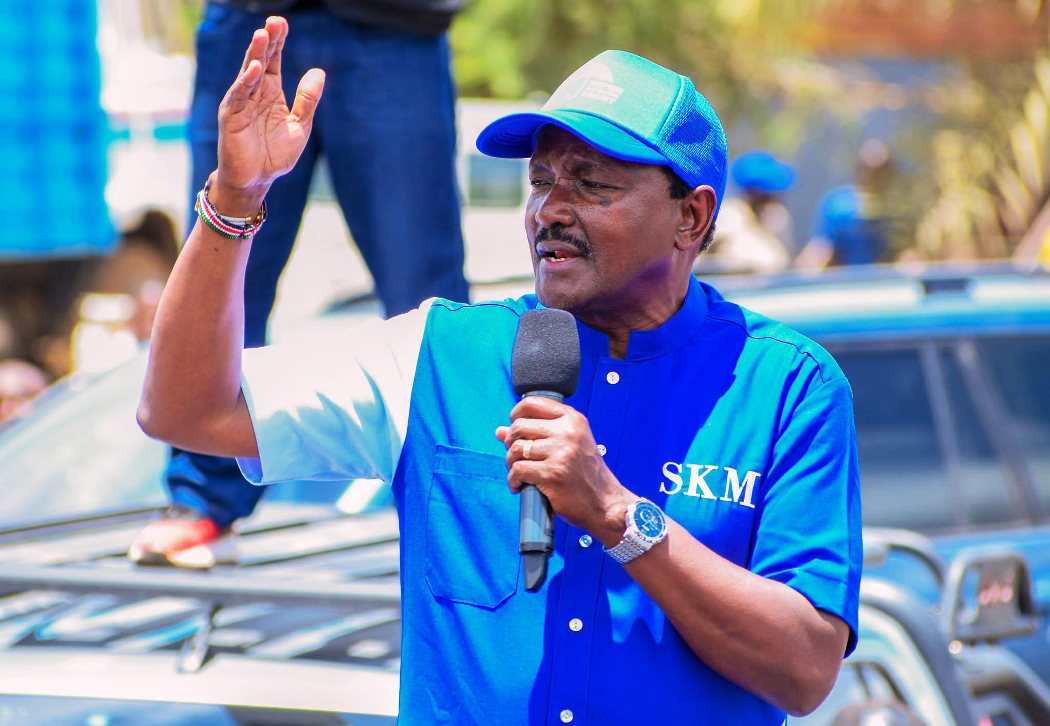
Wiper Patriotic Entrance presidential aspirant Kalonzo Musyoka. PHOTO/UGC.
The stakes couldn’t be increased. Historical past affords a painful lesson. Kenya’s opposition actions have usually excelled at figuring out nationwide issues however failed when it got here to sustaining unity. Repeatedly, opposition leaders have rallied collectively, impressed public enthusiasm and created momentum for change, just for private pursuits, egos and political calculations to fracture the coalition on the decisive second.
The consequence has usually been the identical: a divided opposition and a strengthened incumbent. That’s exactly why 2027 can’t be approached as enterprise as regular.
The Kenya of right this moment is basically completely different from the Kenya of earlier election cycles. The nation is youthful. It’s extra linked. It’s extra politically conscious. Most significantly, residents are more and more much less keen on political slogans and extra keen on outcomes.
The emergence of Technology Z as a robust political pressure has remodeled the nationwide dialog. Younger individuals have demonstrated that they will organise, mobilise and problem energy buildings with out counting on conventional political equipment.
Their calls for are easy however profound. They need jobs. They need accountability. They need transparency. They need a authorities that respects its residents. They need public assets used for public profit quite than personal enrichment. And they’re more and more unwilling to simply accept excuses.
This is the reason any opposition chief considering a political deal that undermines unity ought to perceive the magnitude of the general public disappointment such a transfer would generate.
For a lot of Kenyans, the wrestle towards corruption just isn’t an summary political debate. It’s deeply private.
Corruption is the explanation hospitals lack drugs. It’s the cause roads stay unfinished regardless of billions being allotted. It’s the cause younger individuals stay unemployed regardless of repeated authorities guarantees. It’s the cause public debt continues to develop whereas public companies proceed to deteriorate.
Each shilling stolen from public coffers represents a classroom not constructed, a hospital not geared up and a household left behind. That’s the reason allegations that stolen public assets might be used to finance political defections would provoke public outrage.
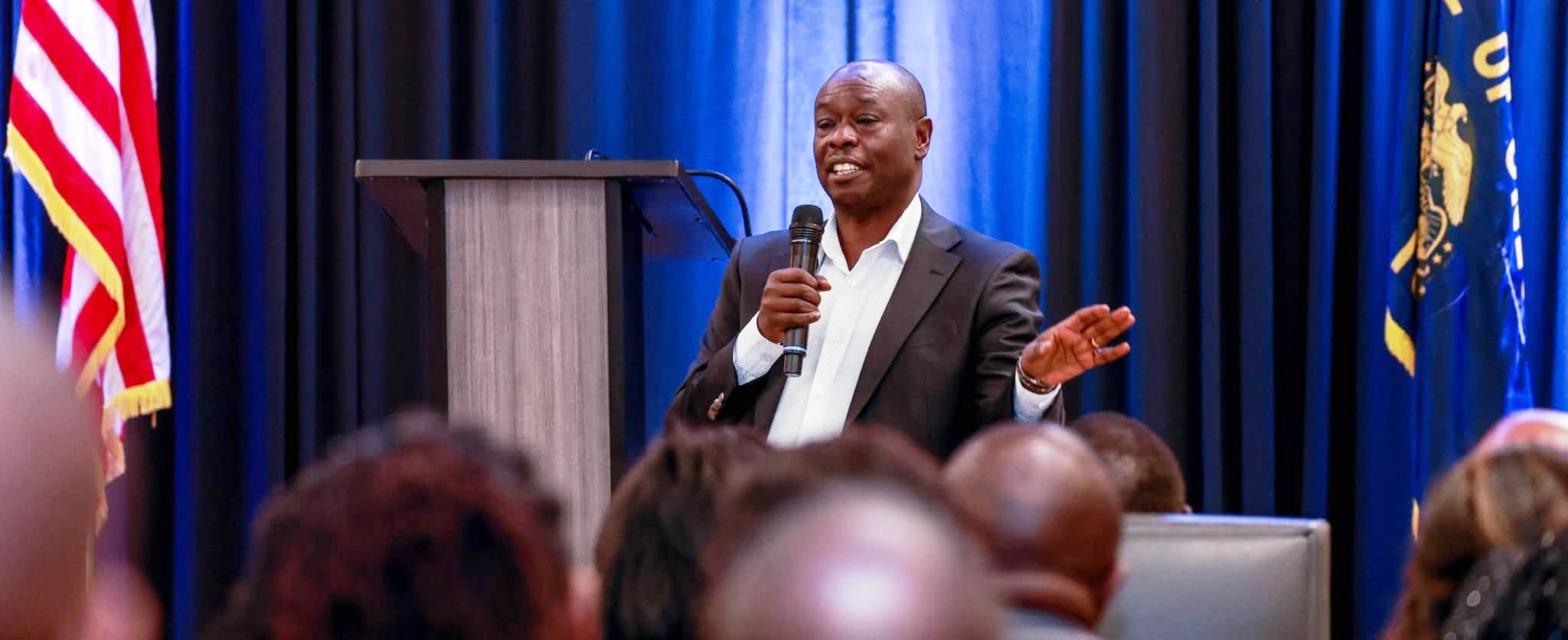
DCP get together chief chatting with Kenyans primarily based within the US. PHOTO/UGC.
If certainly opposition leaders had been to desert their trigger in change for political favours, positions or monetary rewards, it could characterize greater than a political betrayal.
It will represent an ethical betrayal. It will affirm the fears of many voters who more and more consider that some politicians don’t oppose the system as a result of they want to reform it, however as a result of they want to inherit it.
That could be a devastating conclusion for any democracy. In spite of everything, what’s the distinction between these accused of presiding over corruption and people prepared to learn from its proceeds?
What credibility stays when opposition turns into merely a negotiating device for private acquire? What hope exists for residents when leaders who declare to characterize change are ready to commerce that change for a share of the spoils?
These are tough questions, however they have to be requested. Equally necessary, opposition leaders should recognise that unity doesn’t require uniformity.
Nobody expects Kalonzo, Matiang’i, Gachagua and Sifuna to agree on every little thing.They arrive from completely different political traditions.They characterize completely different constituencies.They’ve completely different strengths and weaknesses.
Nonetheless, profitable political coalitions are usually not constructed on good settlement.They’re constructed on shared goals. The target earlier than the opposition is easy. It’s to persuade Kenyans that there exists a reputable different imaginative and prescient for the nation.
That imaginative and prescient should transcend opposing President William Ruto. It should articulate what comes subsequent. How will corruption be tackled How will the economic system be revived? How will jobs be created? How will public debt be managed?
How will unbiased establishments be protected? How will tribalism in public appointments be addressed? How will meritocracy be restored and the way will the dignity of atypical residents be safeguarded?
These are the questions voters need answered. And so they can solely be answered convincingly by a united platform.
Fragmentation would serve just one objective: preserving the established order. Certainly, the best reward the opposition may hand the Kenya Kwanza administration can be division.
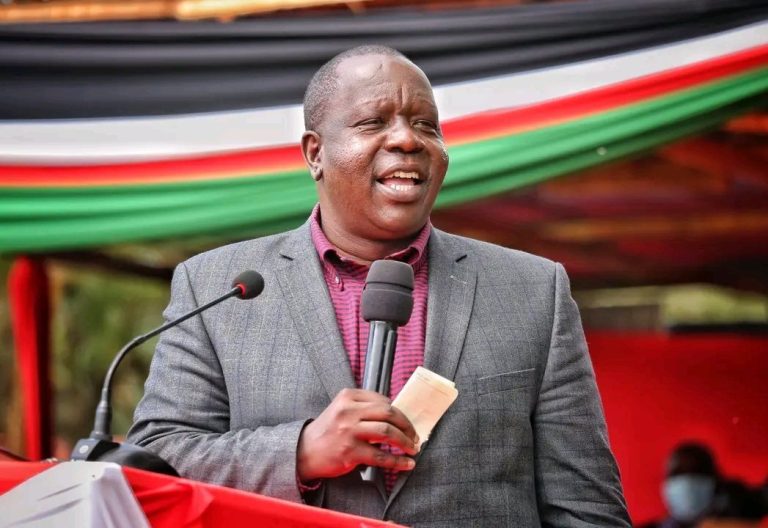
Former Inside Cupboard Secretary Fred Matiang’i and Jubilee Celebration presidential aspirant talking at a previous occasion. PHOTO/UGC.
Nothing strengthens an incumbent authorities greater than a divided opposition competing towards itself. Nothing weakens public confidence greater than leaders who spend extra time attacking each other than presenting options.
Nothing extinguishes hope quicker than watching supposed brokers of change grow to be indistinguishable from the system they criticise. The fact is that Kenya’s subsequent election could also be much less about political events and extra about belief.
Who can Kenyans belief? Who genuinely represents their pursuits? Who is ready to sacrifice private ambition for a bigger nationwide trigger? Who might be relied upon when the strain intensifies?
These questions will outline the street to 2027. Finally, opposition unity just isn’t about Kalonzo, Matiang’i, Gachagua or Sifuna. And it’s actually not about political positions.
It’s about hundreds of thousands of Kenyans who get up each morning hoping for a greater future. It’s in regards to the younger graduate in search of employment. It’s in regards to the farmer struggling to make ends meet.
It’s in regards to the dealer whose enterprise is barely surviving. It’s in regards to the father or mother questioning the way to pay faculty charges. It’s about residents who consider their nation can do higher.
Their aspirations ought to by no means be auctioned to the best bidder.
If opposition leaders genuinely consider the nation is headed within the fallacious path, then unity just isn’t a strategic choice. It’s a ethical obligation.
And if any of them select to desert that obligation for private profit, Kenyans can be justified in asking whether or not they ever stood for change within the first place. The lesson is straightforward.
The opposition has one alternative to reveal that its dedication to reform is actual. One alternative to show that its criticism of the present administration relies on precept quite than revenue. One alternative to persuade Kenyans that it affords one thing basically completely different.
That chance known as unity.

