

Mwalimu Nyerere’s highway to Sainthood: The President who put service earlier than energy
Mwalimu Julius Kambarage Nyerere. PHOTO/UGC.
By PATRICK MAYOYO
newsdesk@africaeconews.co.ke
A person who commanded a military, ruled a nation and occupied the best workplace within the land is now on a exceptional religious journey that might see him declared a saint by the Catholic Church.
But, maybe probably the most compelling a part of his story just isn’t the facility he wielded, however the life he selected to steer.
His title is Julius Kambarage Nyerere, affectionately often known as Mwalimu, the Swahili phrase for trainer. Tanzania’s founding President, he stays certainly one of Africa’s most influential independence leaders, remembered for his dedication to nationwide unity, social equality and public service.
Practically three a long time after his demise, Nyerere’s life is being examined by means of the Catholic Church’s rigorous technique of canonisation.
On the Sunday of 11 th October, Bishop Lazarus Msimbe of Morogoro urged hundreds of worshippers gathered at St Patrick’s Cathedral to proceed praying for the previous President as his trigger for sainthood progresses. Twenty-seven years after his demise, the bishop reminded them, Nyerere’s journey in the direction of sainthood was persevering with.
Since 2005, the Vatican has formally recognised Nyerere as a Servant of God, the primary formal stage within the course of. His trigger has superior to the investigation of witnesses and proof regarding his life and virtues. If the method continues efficiently, he may very well be declared Venerable, then Blessed, earlier than ultimately being canonised as a saint.
However how does a politician turn out to be a candidate for certainly one of Christianity’s highest honours? And what about Nyerere’s life continues to encourage such admiration?
For a lot of of his supporters, the reply lies in his understanding of management as a accountability relatively than a privilege.
At a time when political workplace in elements of Africa was more and more related to private enrichment, Nyerere cultivated a status for modest dwelling. He was not broadly recognized for extravagant private wealth or an elaborate enterprise empire gathered throughout his years in energy. After retiring from the presidency in 1985, he returned to his house village of Butiama, the place he devoted himself to farming.
The picture of a former head of State returning to village life stands in placing distinction to the spectacle of leaders who turn out to be more and more faraway from the residents they serve. Nyerere’s supporters noticed in his selection a perception that public workplace was an obligation to be fulfilled, not a possibility for private enrichment.
His identification as a trainer additionally formed his method to politics. Earlier than coming into public life, Nyerere had labored as an educator, and he carried that intuition into the presidency. He most well-liked argument and persuasion to intimidation, utilizing rigorously reasoned speeches to clarify his concepts and enchantment to the general public’s sense of accountability.
Bishop Msimbe captured this high quality by describing Nyerere as a trainer relatively than a dictator.
The excellence speaks to a basic query about management: is it sufficient to command obedience, or ought to a frontrunner earn the belief of these they govern?
Nyerere was not with out controversy. His authorities restricted political pluralism, whereas his socialist insurance policies, notably the compelled villagisation related to Ujamaa, induced hardship and stay topics of historic criticism. His dedication to equality didn’t at all times produce the outcomes he meant.
But these shortcomings don’t erase the qualities which have drawn admirers to his trigger for sainthood. Nor does the Church’s consideration of his life imply that each political resolution he made is past criticism.
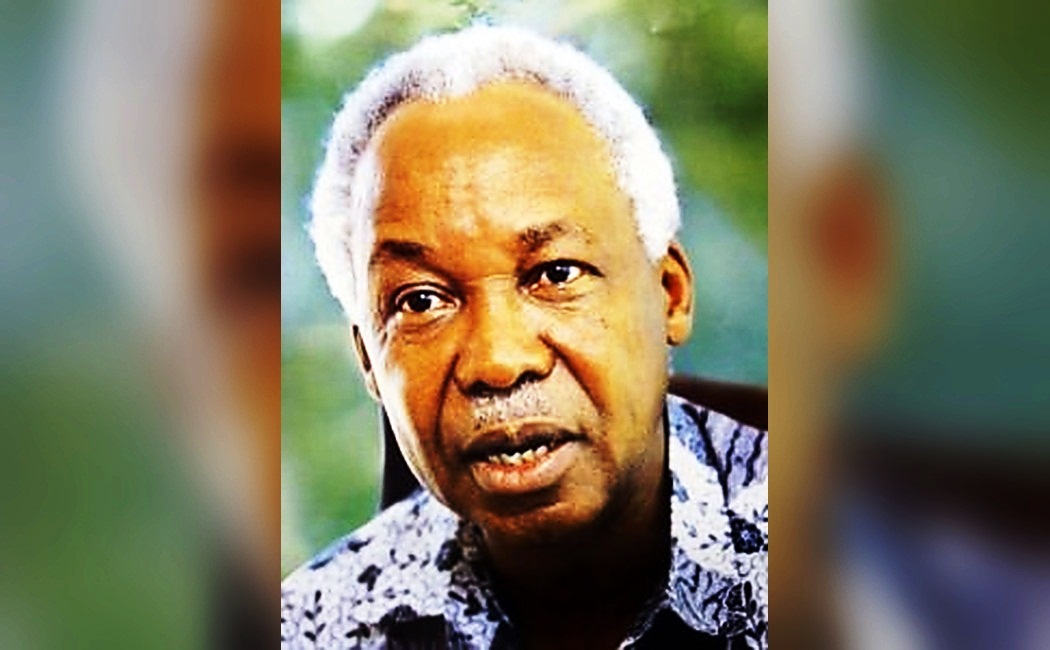
Mwalimu Julius Nyerere. PHOTO/UGC.
Ujamaa, his imaginative and prescient of African socialism, positioned communal accountability, social equality and the welfare of extraordinary folks on the centre of nationwide growth. Nyerere believed {that a} society’s progress must be judged not just by its wealth, however by the way it handled its most susceptible members.
Whether or not his financial insurance policies succeeded stays contested. However the query underpinning his philosophy endures: what’s the function of management if it doesn’t enhance folks’s lives?
His resolution to go away workplace voluntarily in 1985 added one other dimension to his legacy. Having led Tanzania since independence, he selected to step apart relatively than stay President indefinitely. At a time when many African leaders sought to increase their tenure, his departure supplied a robust reminder that political authority belongs to the nation, not completely to the person who holds it.
Stepping down didn’t make Nyerere infallible, nevertheless it mirrored his perception that management should have limits and that others ought to have the chance to serve.
At present, because the Catholic Church continues analyzing his trigger for sainthood, his story invitations reflection far past Tanzania’s borders.
Sainthood just isn’t a reward for political achievement or reputation. The Church should study a candidate’s life, Christian virtues and status for holiness, alongside the proof required beneath its procedures. Nyerere’s presidency alone can not decide the end result.
Nonetheless, his instance poses tough questions for modern African leaders. If public workplace is a belief, why ought to public assets turn out to be devices of non-public enrichment? If management is service, why ought to extravagance be handled as an entitlement? And if energy is non permanent, why do some leaders cling to it in any respect prices?
The problem extends past presidents and ministers. Integrity is equally essential in county places of work, native councils, public establishments and on a regular basis life. A councillor doesn’t should be thought of for sainthood to reject a bribe, simply as an extraordinary citizen doesn’t want worldwide recognition to behave with honesty and compassion.
For Tanzania, Nyerere stays the founding father who helped form a nationwide identification and championed African independence and unity. For admirers throughout the continent, he represents the potential for a political life guided by beliefs better than private ambition.
For the Catholic Church, the query is whether or not his life demonstrates the Christian virtues essential for recognition as a saint. Solely its persevering with investigation and discernment can decide whether or not he reaches that vacation spot.
Till then, his story affords a lesson that transcends politics and faith. An individual’s legacy just isn’t measured solely by the workplace they occupy, the wealth they accumulate or the monuments they go away behind. It is usually formed by the ideas they uphold, the obligations they honour and the lives they contact.
Nyerere ruled a nation, however his admirers keep in mind a person who sought to serve one thing better than himself. Whether or not the Church ultimately declares him a saint stays to be seen.
His problem to Africa, nonetheless, is already clear: energy is non permanent, public workplace is a belief, and the true measure of management lies not in how lengthy an individual guidelines, however in how faithfully they serve.

